By Sira Hotsinpiller, Data Analytics Engineer
I work in technology, and like many people in tech, I spend a lot of my day behind a keyboard. I analyze data, develop reports, troubleshoot problems, and look for ways to make processes more efficient. I enjoy finding a problem and figuring out how to make something work just a little bit better.
But eventually, an idea has to leave the keyboard.
You have to explain it to someone. You may need to present it to your team, answer questions in a meeting, persuade someone to try a new approach, or stand in front of a room and tell people why your idea matters.
That’s where Toastmasters has made a difference for me.
A Place to Practice
I originally joined Toastmasters to become more comfortable with public speaking. What I discovered was something broader: a place where you can practice communicating in a supportive environment.
At a typical meeting, members may give prepared speeches, practice impromptu speaking through Table Topics, evaluate one another, or take on roles that help run the meeting. Each activity gives you another opportunity to get comfortable speaking and organizing your thoughts. But some of the most valuable moments happen when someone has a real-world challenge ahead of them.
One of our members was preparing to give an important presentation in front of hundreds of people. Understandably, she was nervous. Instead of simply wishing her luck, our club rallied around her.
We got the word out to our members and scheduled a special meeting specifically so she could practice her presentation. She gave the presentation to us, received feedback, made adjustments, and practiced again. By the time she faced her real audience, she wasn’t giving the presentation for the first time. She had already experienced the nerves, worked through the difficult sections, heard what was working and what wasn’t, and made improvements.
Her presentation went well.
I loved seeing that because it demonstrated something I’ve come to appreciate about Toastmasters: public speaking doesn’t have to be something you figure out alone.
Practicing My Way to UCTech
I experienced that same support while preparing for my own presentation at the UCTech Conference.
My presentation grew out of an automation project I had created at work. What started as a technical solution eventually became something I was asked to share with increasingly larger audiences.
I presented versions of the idea within my department, participated in an AI Innovators event, spoke at an all-hands meeting, and presented to another UC group. Eventually, I had the opportunity to present at UCTech. Each new audience gave me more practice, but Toastmasters gave me something different: a safe place to experiment.
I didn’t always need to give my entire UCTech presentation from beginning to end. I could bring in a section I was working on, try it in front of the club, and see how people responded. Sometimes the feedback was about clarity. Sometimes it was about pacing or how I told a particular story. Sometimes another person noticed something that I hadn’t noticed at all. That process helped me understand that preparing a presentation isn’t that different from the iterative work many of us do in technology.
We build something. We test it. We get feedback. We make changes. Then we test it again. Why should communication be any different?
By the time I arrived at UCTech, I had not only worked on the technical content but also practiced how I wanted to communicate it. One of the most meaningful pieces of feedback I received after the conference was from an audience member who said he liked my presentation because it was personal. People weren’t only hearing about an automation project; they were becoming invested in the story.
That stayed with me. The technology gave me something worth sharing. Learning how to communicate helped me share it.
The Skills Follow You Home
There has been another benefit I didn’t necessarily expect when I joined Toastmasters. The skills don’t stay at work.
I’ve found myself much more comfortable speaking at family events as well. Situations that once might have made me nervous (standing up, saying a few words, telling a story, or giving a toast) feel much more natural now.
Toastmasters hasn’t taught me to eliminate nervousness. I still get nervous. What it has taught me is that being nervous doesn’t mean I can’t do it. I’ve stood up and spoken enough times now that I know what that feeling is. I know I can start talking even when I’m nervous. I know I can recover if I lose my place. And I know I don’t have to deliver every sentence perfectly to connect with people.
That confidence has followed me from Toastmasters meetings to work presentations, conference rooms, UCTech, and family gatherings.
Beyond the Keyboard
Working in technology, it’s easy to focus primarily on developing our technical skills. Those skills matter. But I’ve learned that our ability to communicate what we know can be just as important.
An idea sitting on your computer can only go so far.
At some point, you may have to explain why a problem matters. You may have to convince people that your solution is worth trying. You may need to present your work to people who don’t have your technical background. Or you may simply need the confidence to speak up in a meeting and say, “I have an idea.”
That’s what Toastmasters has given me: a place to practice doing those things before the moment really matters. And perhaps my favorite part is that it isn’t something you have to do alone. When one of us has a big presentation coming up, we can become the practice audience. We can listen, encourage, question, and offer feedback. Then we get to watch that person take what they practiced inside our little club and use it somewhere much bigger.
I’ve been on both sides of that experience now. I’ve watched another member prepare to speak in front of hundreds of people, and I’ve been the person preparing to take my own ideas to UCTech.
That’s why I no longer think of Toastmasters simply as a place to practice public speaking. For me, it’s a place where ideas get practiced, refined, and eventually taken beyond the keyboard.
Stop by for a Visit
If you’re curious about Toastmasters, you don’t have to become a member to see what it’s like. Guests are always welcome to visit a Lakeside Speakeasy Toastmasters meeting with no obligation to join. Come listen, meet the members, and see if it’s something that might help you take your own ideas beyond the keyboard. Meeting information and directions are available on the Lakeside Speakeasy Toastmasters Club website (https://2967.toastmastersclubs.org/directions.html)
Note: Speakeasy is open to all, but there may be locations closer to you as an option if you want to join a club with in-person options.
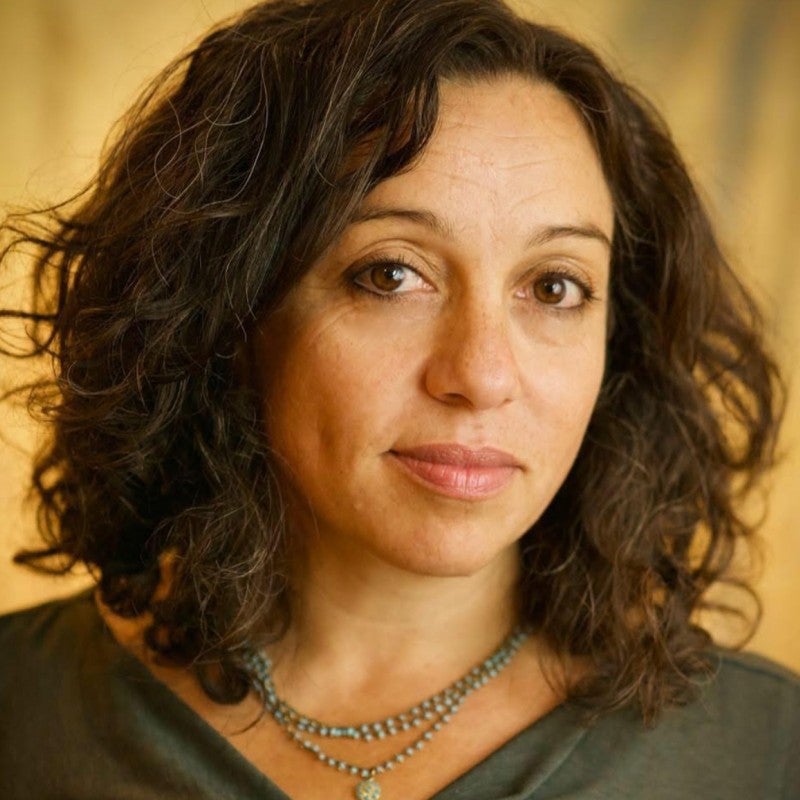
Sira Hotsinpiller
Data Analytics Engineer
University of CA Office of the President
About the Professional Growth Series
Our new Professional Growth series will explore topics such as mentorship, interviewing, career pathways, and learning and development opportunities, with a focus on helping employees grow, connect, and thrive across the UC system. Do you have a story to contribute to the series? Submit a UC Tech News blog intake form found here.