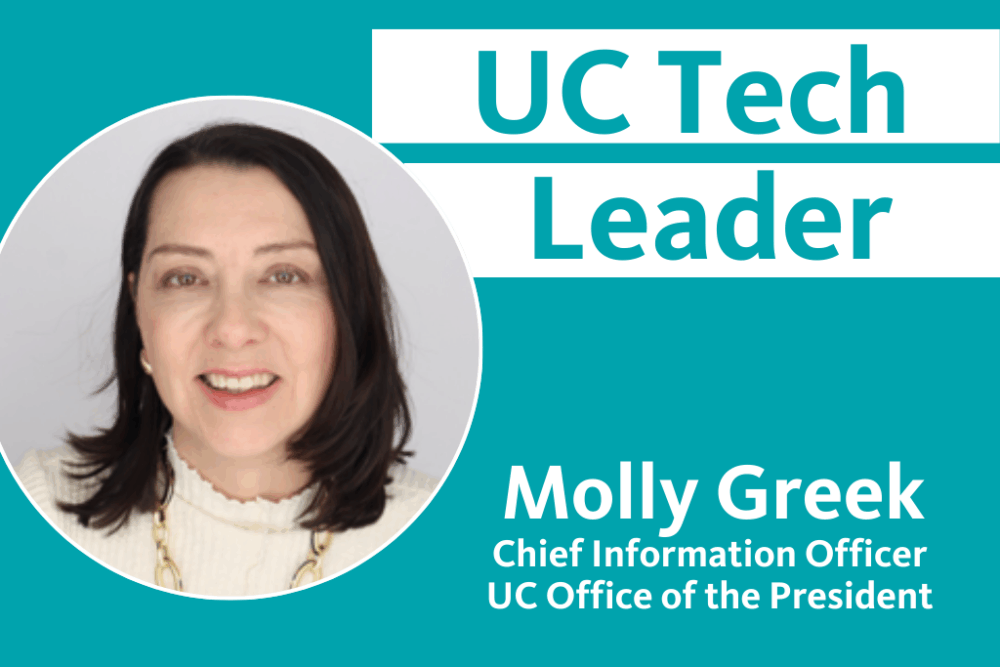
You may recognize Molly Greek’s name from some of UC’s most visible technology services, but you may not know the leadership approach behind the scenes that she has helped teams deliver at scale. Greek is the chief information officer (CIO) for the Office of the President (UCOP), which supports systemwide platforms and services across UC.
In a recent conversation, Greek, kicking off our new UC Tech Leaders series, shared a leadership perspective rooted in people, structure, and continuous learning. Her message was clear: Leadership is not defined by a single milestone. It is shaped over time through thousands of experiences.
How did your early experiences shape your approach to leadership and technology?
Leadership doesn’t come from one defining job or moment. It comes from thousands of experiences across a career. The lessons that stick with you the most are failures, things that didn’t work.
Leadership is an ongoing practice. It is built through training, reflection and on-the-job learning. When I attend leadership training I have to be intentional about choosing two or three things that I will commit to do differently. Changing your work habits is hard and require intentional commitment. Over time, all those lessons shape how you think, how you decide, and how you support people.
How do you think about people, priorities and culture as a leader?
I have utilized a pyramid image for a long time to share my priorities and to help others in our organization to align on priorities.
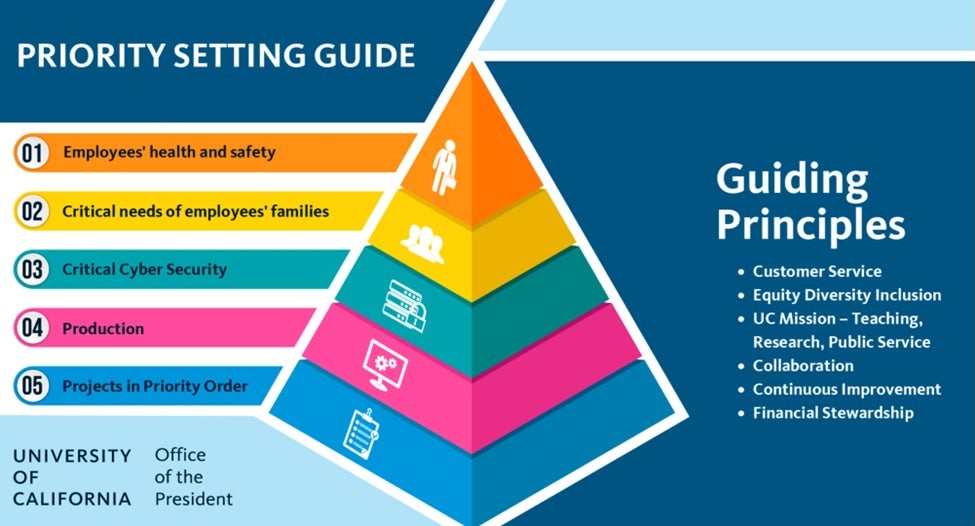
An employee’s health and safety are at the top of the pyramid followed by critical needs of their family, followed by critical cybersecurity, production, and then our projects. So, people are at the top of the pyramid, we can’t support our mission without our people being aligned on our priorities and knowing that we support them.
When you think about legacy, what matters most to you?
It’s not about one project or one achievement. I’ve worked with organizations full of talented people who needed clearer structures and more support to achieve big things for the organization and career development and fulfillment for individuals.
My focus has been on building foundations that help teams succeed. Creating systems, processes, policies, and environments that make ambitious work possible. Often the team members haven’t changed significantly, the capability was already there. What changed was the direction provided, the training and standards, and the support.
What does professional growth look like in IT today?
Technical knowledge and ongoing education are necessary to remain relevant in IT and is generally desired by staff and supported by management. If you work in IT, I assume you know the technical side and that you want to keep learning it. Where we need to encourage learning and growth is in leadership, industry understanding and customer focus.
For those of us in higher education you must pay attention to what is happening in our industry —what is changing, what pressures institutions are under and how outside forces affect our work. To serve well, you need to understand faculty, healthcare providers, students, staff and the many partners, not just systems and tools.
Leadership is about people and supporting the mission—communicating and building relationships so that technology truly supports UC’s mission.
What are your biggest priorities right now?
Security! The work never stops, and the threat landscape is always changing. The top attack vector was phishing, then it moved to vulnerabilities. The shifts happen quickly. We must constantly focus on the newest threats.
We are striving to get faster and better at detection so that we can respond faster.
How do people grow their careers at UC?
People often want to know how you move forward at UC; there isn’t always one clear path.
Relationships are the currency of UC and many large organizations. You move forward by building real relationships, not transactional ones, by understanding what people care about, learning their priorities and being a consistent partner and advocate.
People are often considered for roles when they are already working at that level. Competence is essential as is collaborating beyond your immediate team to solve problems at your organization.
Don’t wait for opportunity to come to you. Look for it or suggest it — on committees, in workgroups and in cross-functional efforts — where your leadership is visible through what you do.
As you prepare to retire at the end of the fiscal year, what aspects of your leadership or the work accomplished during your tenure do you most hope will carry forward?
The main thing I have accomplished in my tenure is leaving our organization in a better place than where I found it. I was able to do this by investing in people and processes and aligning with our colleagues and mission. I am proud that many of the people on my teams have continued to grow and advance their career at UC and bring their own unique leadership skills forward.
Thank you for the conversation!
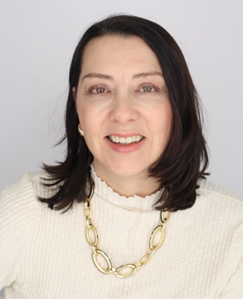
Molly Greek
Chief Information Officer
University of California, Office of the President
Tech Leader Spotlights
UC Tech News is excited to launch the UC Tech Leaders Q&A Series in 2026—a series designed to spotlight the voices shaping technology across UC. The UC tech community values hearing directly from its leaders, and this series aims to be both inspiring and informative.
Are you a tech leader at UC? We’d love to hear from you! To participate, please complete the short Q&A form and please include a photo.