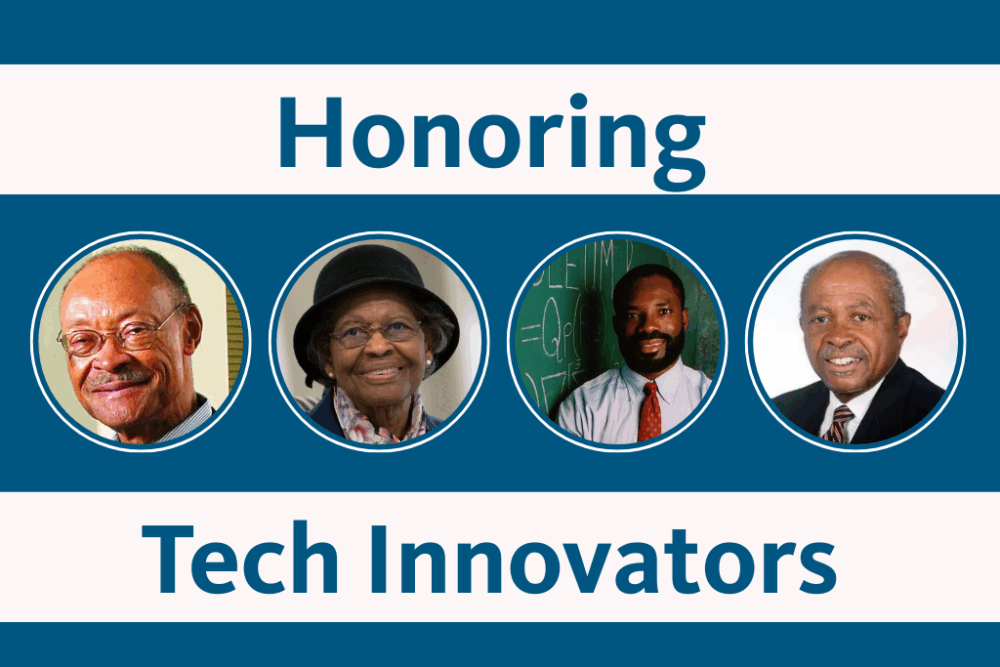
Throughout the history of technology, Black innovators have played a pivotal role in advancing computing, engineering, aerospace, data science, and countless other fields — often without recognition at the time. Structural barriers limited visibility but not impact. In honor of Black History Month, UC Tech News highlights a selection of the trailblazing technologists whose work continues to shape modern systems.
A dedicated resources section at the end offers additional readings and materials for those who want to explore this history further.
Gladys West
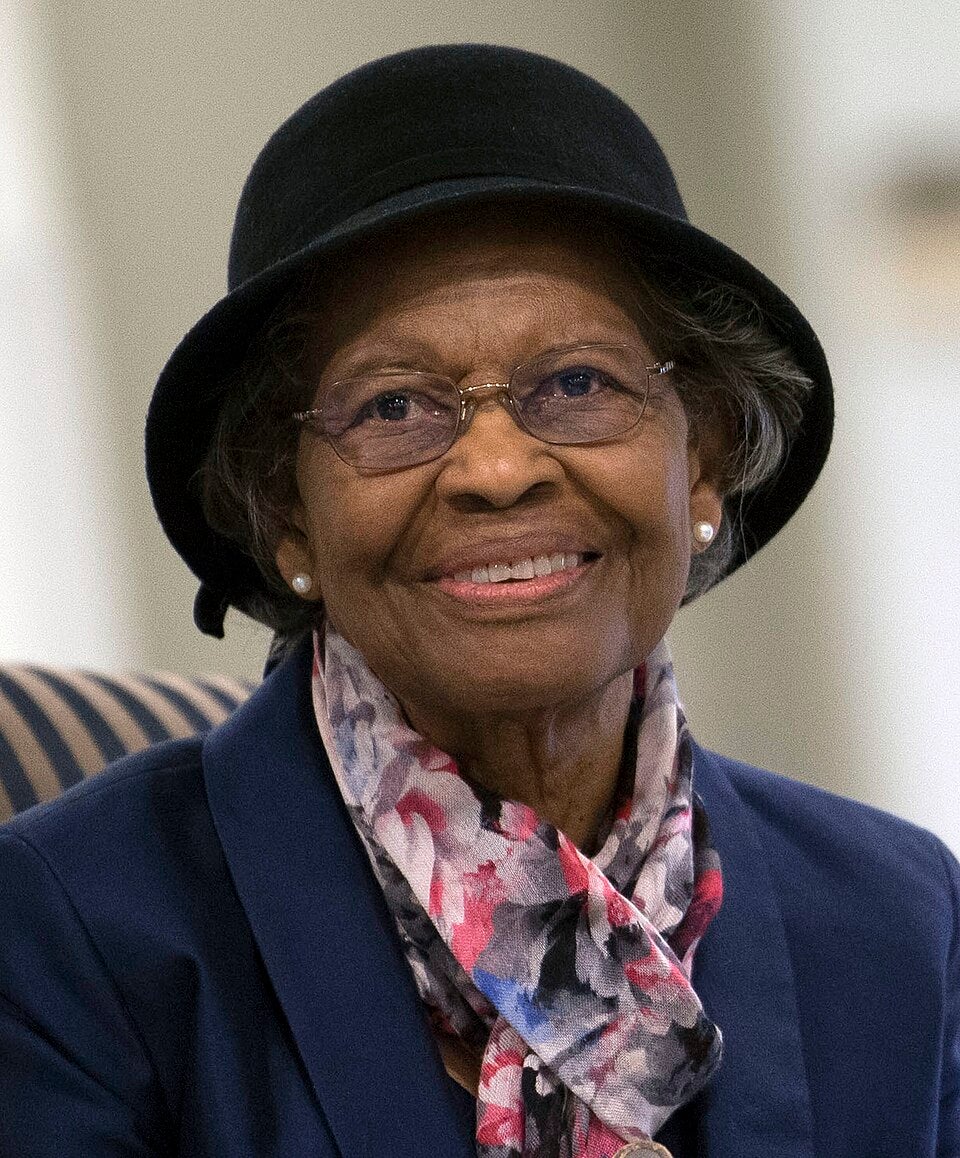
Gladys Mae West (1930-2026) was an American mathematician whose work in modeling Earth’s shape became fundamental to modern satellite geodesy. Joining the Naval Proving Ground in Dahlgren, Virginia, in 1956 as one of only a few Black employees, she specialized in programming and analyzing satellite data. Her precise calculations—accounting for gravity, tides, and other geophysical forces—refined geodetic models essential for accurate satellite orbits. These mathematical models directly contributed to the algorithms later incorporated into the Global Positioning System (GPS), making West one of the key, though long‑overlooked, figures behind today’s global navigation technology.
Throughout her career, West served as a project manager and senior analyst on satellite geodesy programs, processing altimeter data used to map Earth’s surface with exceptional accuracy. Her meticulous mathematical work laid the computational foundation that enables GPS to determine precise positions anywhere on the planet. Although her contributions were transformative, major recognition came later, including her 2018 induction into the United States Air Force Hall of Fame, honoring her decades of groundbreaking work in math and technology. Photo of Gladys West by Adrian Cadiz.
Frank Greene
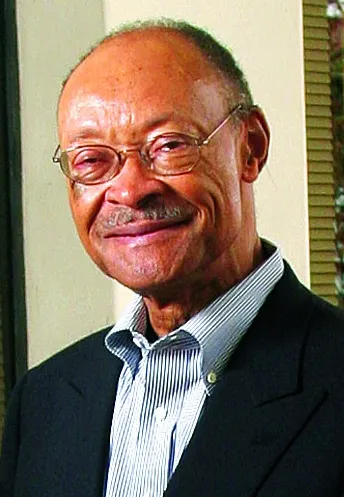
Frank S. Greene (1938-2009) was a trailblazing technologist whose work helped shape the foundations of Silicon Valley. As one of the earliest African-American pioneers in the semiconductor industry, Greene played a pivotal role at Fairchild Semiconductor, where he contributed to the development of high‑speed memory chips—advancements that pushed the boundaries of computing performance and helped establish Silicon Valley as a global hub for innovation. His technical achievements led to his induction into the Silicon Valley Engineering Hall of Fame, solidifying his legacy as a key figure in the evolution of modern electronics.
Beyond his engineering breakthroughs, Greene was a visionary entrepreneur and leader who leveraged technology to open doors for underrepresented communities. He founded multiple tech companies—including Technology Development Corporation and ZeroOne Systems—delivering cutting‑edge solutions in computing and avionics. Later, through New Vista Capital, he championed minority and women entrepreneurs, driving diversity in the innovation economy.
Greene also established the GO‑Positive Foundation and the VRE leadership model, which empowered students and young professionals to pursue STEM careers. His life’s work demonstrated a commitment not only to advancing technology but to ensuring that more people had the opportunity to shape its future. Frank S. Greene photo by Veronica Weber/Palo Alto Online.
Dr. Philip Emeagwali
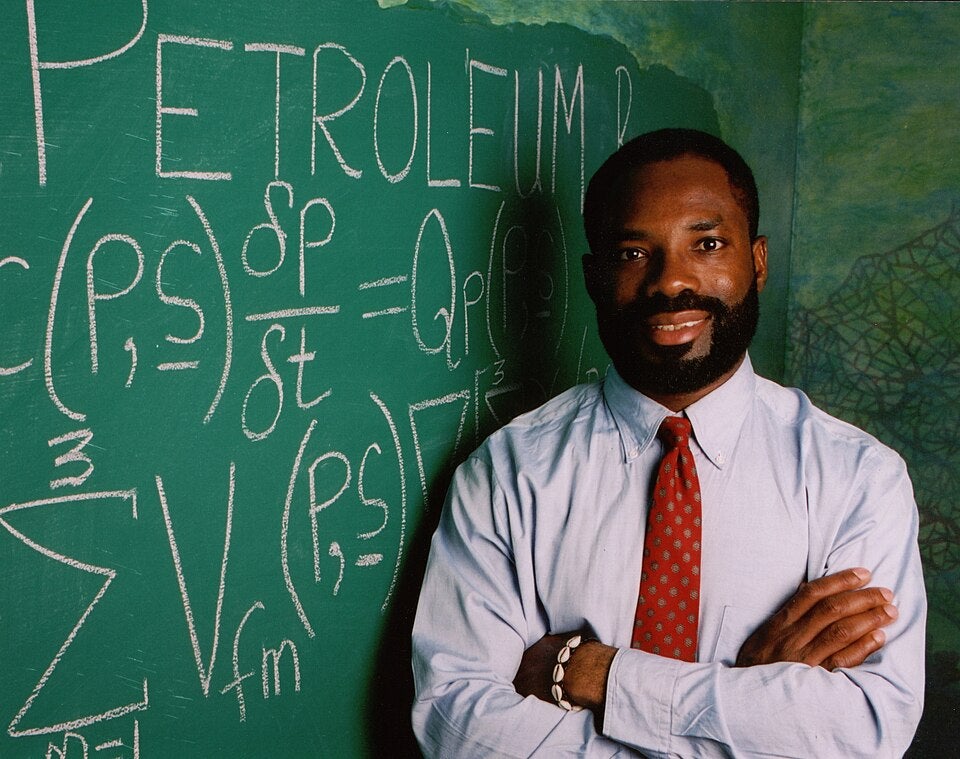
Dr. Philip Emeagwali (b. 1954) is celebrated for his pioneering work in high‑performance computing, most notably his 1989 breakthrough in using over 65,000 processors to perform massively parallel calculations at record‑setting speeds. Inspired by the structure of honeycomb beehives, he demonstrated that thousands of microprocessors working together could solve complex scientific problems far faster than traditional systems. This achievement earned him the Gordon Bell Prize and helped advance fields such as supercomputing, scientific modeling, and oil‑reservoir analysis.
His innovations also shaped foundational concepts behind modern internet architecture, cloud computing, and large‑scale data processing. By proving the real‑world power of parallel processing, Emeagwali influenced technologies used in weather forecasting, petroleum exploration, and early computational science. Frequently referred to as “the Bill Gates of Africa,” his work continues to inspire future generations of African and African‑American technologists and remains central to the evolution of modern computing systems. Photo of Dr. Emeagwali By InfoATemeagwaliDOTcom.
Roy Clay Sr.
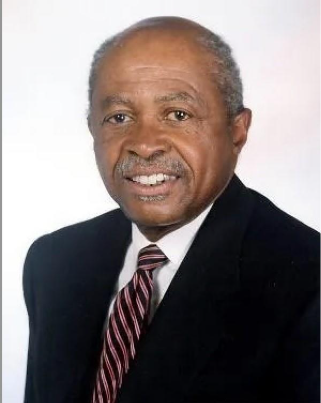
Roy Clay Sr. (1929-1994) was a pioneering computer scientist whose work helped shape the early era of Silicon Valley innovation. As a founding member of Hewlett‑Packard’s computer division, he led the development of the HP 2116A, one of the company’s first minicomputers, and helped establish HP as a major player in computing. His early programming work at Lawrence Livermore National Laboratory and his creation of FORTRAN compilers at Control Data Corporation further demonstrated his technical versatility and influence in the emerging software and hardware landscape.
In addition to his engineering achievements, Clay became a trailblazer for diversity in technology. Widely known as the “godfather of Silicon Valley,” he broke racial barriers by recruiting and mentoring Black engineers and later founded ROD‑L Electronics, the first Black‑owned tech firm focused on electrical‑safety testing equipment. His leadership, advocacy, and decades‑long commitment to expanding opportunity cemented his legacy as both a technological innovator and a champion for inclusion in the industry. Photo credit: The Clay Family.
For additional reading
Black History Month and Tech: Honoring Past Contributions and Pushing for Increased Diverstiy
Publicknowledge.org
5 Biggest Contributions by African Americans in IT and Engineering
Akkodis.com
Tech in Black: The Evolution of Diversity in Tech
FormAssembly.com
Hidden Figures and Human Computers
National Air and Space Museum | Smithsonian